
Is BCIN Worth It in 2026? Jobs, Salary & Career Paths

Updated: Jul 28
The Short Answer: Yes, obtaining a Building Code Identification Number (BCIN) remains one of the most reliable ways to build a career in Ontario’s architectural and construction industry.
Salary Expectations: Entry-level private sector roles typically start between $45,000 and $55,000 per year. With experience, additional exams, or a move to municipal government roles, salaries can grow to $75,000 – $100,000+ annually.
The 2026 Advantage: With the recent transition of BCIN exams to the new 2024 Ontario Building Code in March 2026, professionals who are certified under the current standards are highly relevant.
Where to Start: For most beginners, BCIN General Legal/Process exam is often the best next step to expand your career opportunities, including municipal or private stamping.
The Question Almost Everyone Asks
If you’re planning to start BCIN 2026 exams, chances are you’ve asked yourself:
“Is BCIN actually worth it in 2026?”
That’s a very fair question.
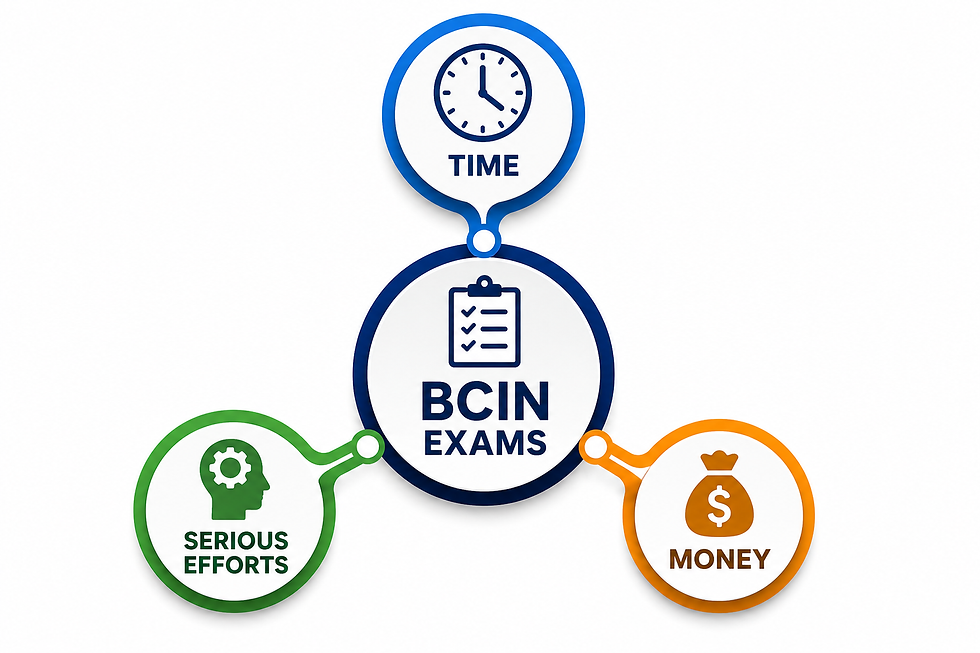
Before investing all that, you deserve real answers
In this guide, you’ll learn:
The real BCIN job market in 2026
Realistic salary expectations
Actual career paths after BCIN
Who BCIN is and isn’t for
Why BCIN House is the best exam to start with
What Is BCIN?
BCIN (Building Code Identification Number) is a certification required in Ontario for professionals who work with the Ontario Building Code (OBC).
BCIN-qualified professionals are involved in:
Designing buildings
Reviewing building permit drawings
Inspecting construction
Ensuring OBC compliance

Passing BCIN exams proves that you can find, interpret, and apply the Ontario Building Code correctly.
Is BCIN Still Relevant in 2026?
Yes — BCIN is still relevant in 2026.
But only if you approach it strategically.
Why BCIN still matters:
Ontario continues to push for new housing supply
There is a shortage of qualified building professionals
Municipalities and private firms require BCIN-qualified staff
OBC compliance is mandatory by law
👉 Buildings cannot be designed, approved, or inspected without professionals who understand the code.
That’s exactly where BCIN-certified professionals are needed.
The Real BCIN Job Market
Let’s be very clear:
❌ BCIN is not a shortcut to instant high income
❌ BCIN alone does not guarantee a city job
✅ BCIN does open doors — if you choose the right exam and career path
👉 The biggest mistake students make is choosing the wrong BCIN exam first.
Common BCIN Career Paths in 2026
1. Private Sector Jobs (Fastest Entry)
This is where most beginners should start.
With BCIN House, you can work in:

Why this path works well:
Easier entry
Faster hiring
Experience-focused
Salary reality
|
|
👉 BCIN House is often enough to get your first job in the private sector.
2. Municipal / Government Jobs
Common roles:

📌 Salary reality (GTA):
|
Important reality:
You can sometimes get hired with only two exams:
BCIN House
BCIN General Legal
But after hiring, municipalities usually require you to pass additional exams within 12 months (depending on municipality), such as:
Plumbing
HVAC
Structural
Building Services
👉 This is why many people start in the private sector first, then move to municipal roles later.
3. Self-Employment / Freelance (Later Stage)
Self-employment is possible once you have:
BCIN House + BCIN General Legal or Designer legal (minimum)
Industry experience
Professional liability insurance
Government registration
Client trust
With this setup, you can:
Prepare house designs
Prepare second suite (legal basement )
Apply for permits
Start a small design practice
⚠️ Not recommended for beginners, but very realistic as a long-term goal
Salary Reality in 2026
Let’s keep expectations honest.
Entry-Level (BCIN House – Private Sector):
Around $50,000/year
Focus is on learning + experience
Growth depends on skill, not just certificates
With Experience + More BCIN Exams:
Higher pay
More responsibility
Better job stability
Long-Term Potential:
Around $90,000–$100,000+
Especially in private practice
Income depends on workload and projects
👉 BCIN is a career builder — not a lottery ticket.
✅ BCIN Is Worth It If... | ❌ BCIN Is Not Worth It If... |
You want a career in Ontario's building industry. | You expect an instant high salary. |
You are willing to start in an entry-level position and gain experience. | You are looking for shortcuts to success. |
You plan to build your career step by step. | You dislike building codes, rules, or regulations. |
You understand that BCIN is a career tool—not a magic solution. | You expect BCIN alone to guarantee success without effort. |
Why BCIN General legal/process Is the Smartest Place to Start
If you decide BCIN is worth it, the next critical decision is:
Which BCIN exam should I take first?
BCIN General Legal/Process is one of the best exams to choose if you want to keep your career options open. It provides a strong foundation for both private-sector design roles and municipal careers, including positions such as Plan Examiner and Building Inspector. If you're looking for the most versatile BCIN qualification, the General Legal/Process exam is an excellent place to start.

Why BCIN General legal makes sense:
Builds a strong understanding of the Ontario Building Code Act and legal responsibilities
Keeps both private-sector and municipal career paths open
Required knowledge for roles such as Plan Examiner and Building Inspector
Provides the legal foundation before advancing to technical BCIN exams
One of the most versatile BCIN exams for long-term career growth
Or, if you want to emphasize career opportunities rather than the exam content:
BCIN General Legal/Process Helps You:
✔ Keep both private-sector and municipal career options open
✔ Understand Ontario's building permit and regulatory process
✔ Build a strong legal foundation before technical BCIN exams
✔ Prepare for careers such as Designer, Plan Examiner, or Building Inspector
Recommended 2026 BCIN Strategy
1️⃣ Start with BCIN General Legal/Process
2️⃣ Pursue a private-sector design role or municipal opportunity
3️⃣ Gain practical experience with the Ontario Building Code and permit process
4️⃣ Build your technical knowledge through real projects
5️⃣ Complete technical BCIN exams (House, Small Buildings, etc.) based on your career goals
This reflects the strength of the General Legal/Process exam—it keeps both private-sector and government career paths open while allowing you to specialize later.
This strategy minimizes:
Repeated failures
Burnout
Wasted time and money
Final Verdict
Yes — BCIN is worth it in 2026,
but only if you:
Set realistic expectations
Focus on experience, not shortcuts.
FAQ's
Is BCIN worth it in 2026?
Yes, BCIN is worth it in 2026 if you plan to work in Ontario’s building industry. There is ongoing demand due to housing growth, but success depends on choosing the right exam and gaining experience—not shortcuts.
Which BCIN Exam Should I Start With?
If your goal is to keep the most career options open, BCIN General Legal/Process is one of the best exams to start with. It provides a strong understanding of Ontario's building permit system, legal responsibilities, and regulatory framework, creating a foundation for both private-sector design roles and municipal careers such as Plan Examiner and Building Inspector. You can then build on that foundation by completing technical BCIN exams, such as House or Small Buildings, based on your long-term career goals.
Can I get a job with only BCIN House?
Yes. Many private-sector employers, such as design firms, contractors, and architectural offices, hire candidates with BCIN House for entry-level roles.
What is the starting salary after BCIN House?
Entry-level salaries after passing BCIN House typically range from $45,000 to $55,000 per year, depending on location and employer. Growth depends on experience and additional exams.
Do I need BCIN General Legal to get a job?
Not always. BCIN General Legal is usually required for municipal or government jobs, such as a building inspector or plans examiner. Many private-sector roles do not require it at the beginning.
How long does it take to prepare for BCIN House?
Most students prepare for BCIN House in 2 to 3 months, depending on background, study time, and familiarity with the Ontario Building Code.
Can BCIN lead to self-employment?
Yes, but only after gaining experience. With BCIN House + General legal or Designer Legal, professional insurance, and registration, you can start a small residential house design practice.
Is BCIN a shortcut to a high salary?
No. BCIN is a career foundation, not a quick money path. Long-term income depends on experience, the number of exams, and workload.
*Please note that the information shared in our blog is for educational purposes only, and we do not assume any liability for the actions or decisions made based on this information.

Comments